Saturday, March 7, 2015

Military Aircraft vol.70: Fokker S11 Instructor Brazilian Air Force T-21


Subject:
Fokker S11 Instructor
Scale:
1/40
Manufacturer:
Smer
Price
US$15,00
Description
Injection molded kit. Waterslide decals
Comments
The Fokker S11 Instructor was used by the Brazilian Air Force (FAB) as the T-21 basic trainer from 1958 to 1973. They were bought by the Air Force from Fokker in Holand as a part of a negotiation that included the construction of the airframes in Brazil. Several political and economical issues led to the 100 aircraft constructed being finished by the air force after Fokker abandoned the project. The airplane was underpowered and a second version, with trycicle landing gear, suffered from problems with the center of gravity. Several were later delivered to civilian flight schools after the airplane was retired from military service.
SMER's  kit is injection molded with decals for a Israeli version. Fit is ok, but, other then that, the kit has little detail. I rescribed the panel lines, scratch built some details for the cockpit and painted it as a T-21 basic trainer from the Brazilian Air Force. Decals came from several sets as there are no single one produced for this kit as far as i know.


Tuesday, March 3, 2015

Work in progress vol.16: Fokker S11 Instructor (READY)


Subject:
Fokker S11 Instructor
Scale:
1/40
Manufacturer:
Smer
Price
US$15,00
Description
Injection molded kit. Waterslide decals
Comments
Are you up for a challenge? This is Smer's 1/40 scale Fokker S11 Instructor. It is an old kit. I don't know if the molds were originally from Smer, but they look old. There is a lot of flesh among the parts. And there are rivets! Lots of rivets! Inside the cockpit you have no detail at all. Fit is poor but the overall shape of the plane is there to be seen! Brazilian Air Force used about one hundred of these planes from the late 50's to the 70's and that's why i decided to build one for my collection. I will post the kit's progress here as i try to finish it. Let's see what i can do...

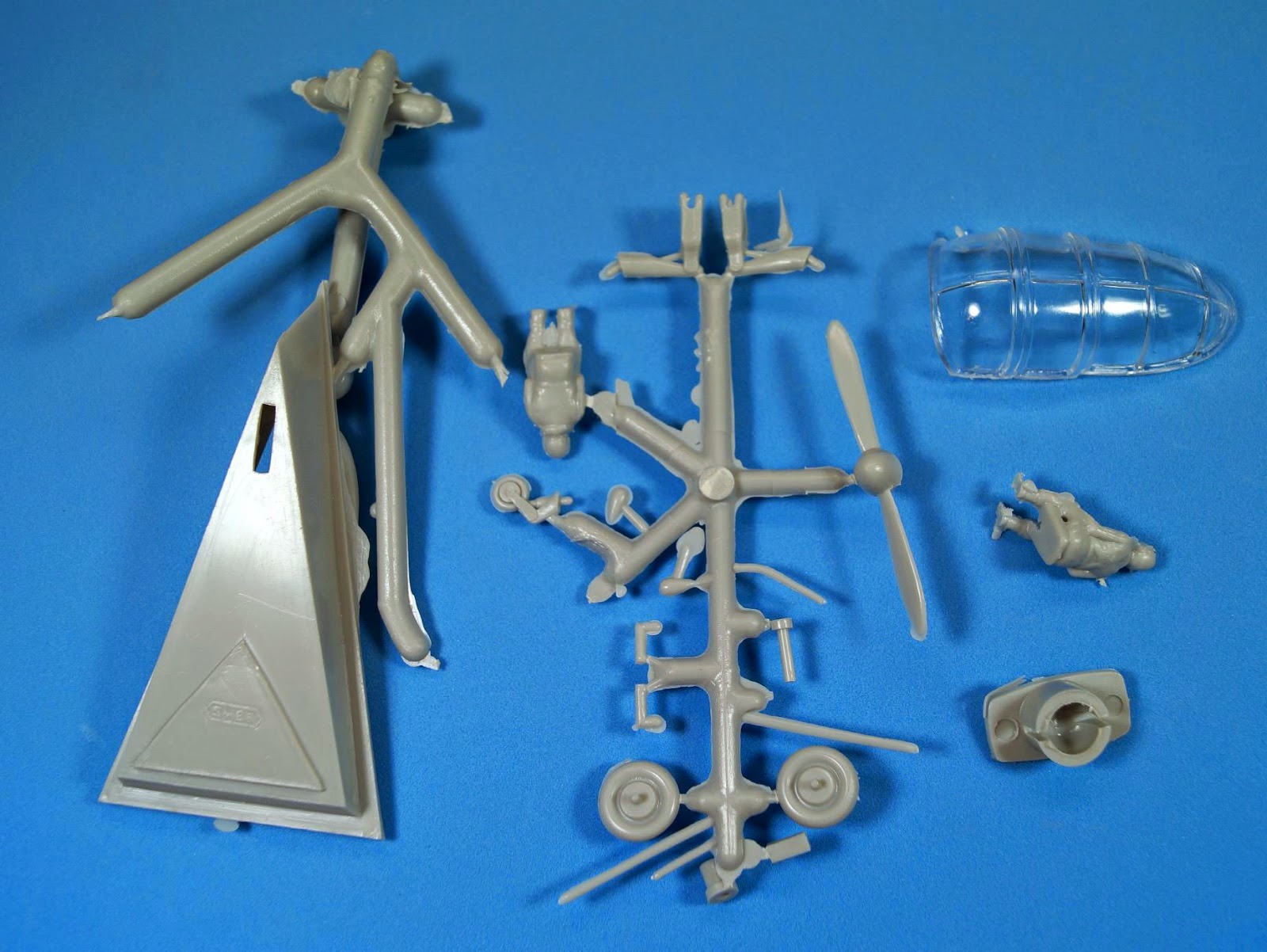
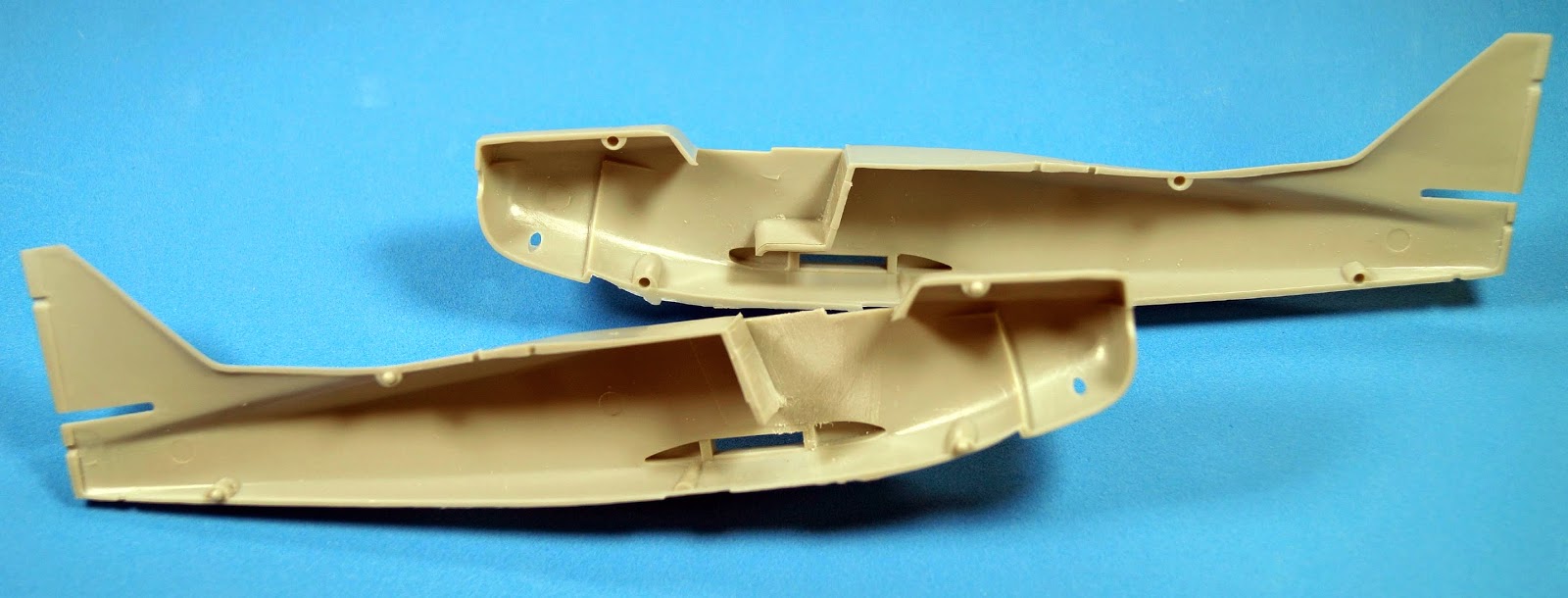
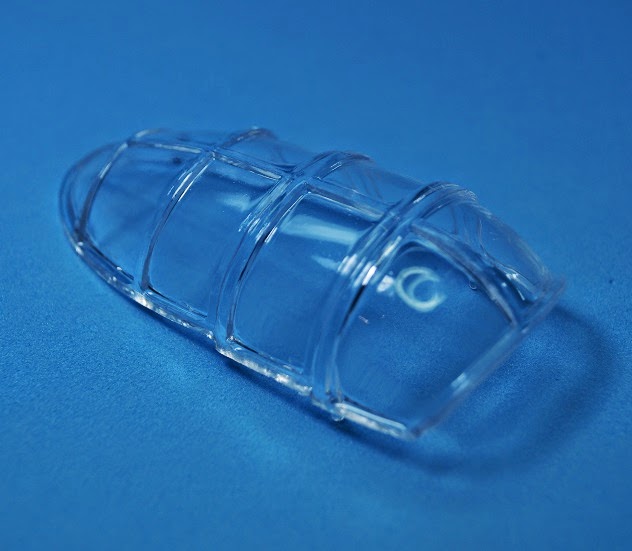
1) The sprues:


2) References: I found two publications with pictures of the Fokker S11 in Brazilian Air Force colors.  The magazine Aero is no longer published, but i remember it from my youth as it was my major source of modeling information.


3) Scribing: First i got to remove all the rivets. I decided to scribe all the panel lines, leaving the kit's texture just on the fabric covered areas.


4) The cockpit: some scratch work will be needed.

5) Dry fitting:


6) Construction:

Some scratch built details:

Painted and closed cockpit:


All scratch built parts are placed in the cockpit:


The canopy received a coat of Future:


The canopy placed on the fuselage. Several adjustments had to be made to get a proper fit:


The windows masked with Tamiya tape:


The canopy frames were painted in the same interior green color as the cockpit


The wings painted in international orange and weathered:


The painted wings were protected with masking tape and paper for the primer application on the fuselage:


The painted fuselage with anti glare panel in black. Brazilian Air Force Insignia already applied on the wings.


There are no sets of complete markings for this aircraft. So i used some general markings to complete the kit.


And here is the completed model:


Tuesday, February 24, 2015

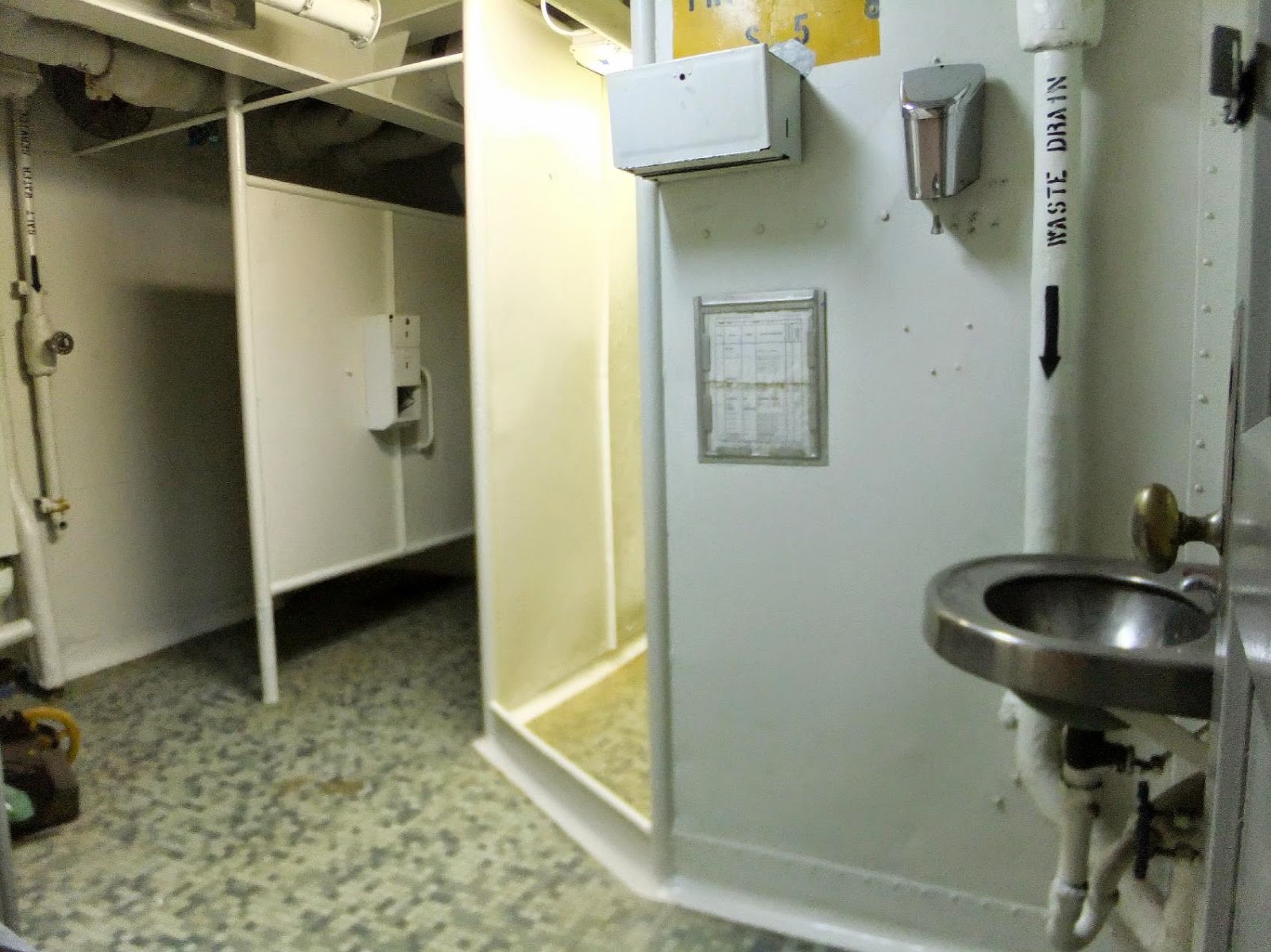
Ships walkaround vol.2: Iowa Class Battleship USS Missouri BB63


Subject: Iowa Class Battleship USS Missouri BB63
Location: Pearl Harbor, Hawaii, USA 2012.
Comments: The Iowa-class battleships were a class of fast battleships ordered by the United States Navy in 1939 and 1940 to escort the Fast Carrier Task Forces that would operate in the Pacific Theater of World War II. Four were completed; two more were laid down but canceled at war's end and scrapped. Like other third-generation American battleships, the Iowa class followed the design pattern set forth in the preceding North Carolina-class and South Dakota-class battleships, which emphasized speed and the secondary and anti-aircraft batteries. Between the mid-1940s and the early 1990s, the Iowa-class battleships fought in four major U.S. wars. In World War II, they defended aircraft carriers and shelled Japanese positions. During the Korean War, the battleships provided seaborne artillery support for United Nations forces fighting North Korea, and in 1968, New Jersey shelled Viet Cong and Vietnam People's Army forces in the Vietnam War. All four were reactivated and armed with missiles during the 1980s as part of the 600-ship Navy initiative; during 1991's Operation Desert Storm, Missouri and Wisconsin fired missiles and 16-inch (406 mm) guns at Iraqi targets. Costly to maintain, the battleships were decommissioned during the post-Cold War drawdown in the early 1990s. All four were initially removed from the Naval Vessel Register; however, the United States Congress compelled the Navy to reinstate two of them on the grounds that existing naval gunfire support would be inadequate for amphibious operations. This resulted in a lengthy debate over whether battleships should have a role in the modern navy. Ultimately, all four ships were stricken from the Naval Vessel Register and released for donation to non-profit organizations. With the transfer of Iowa in 2012, all four are part of various non-profit maritime museums across the U.S..The Missouri was the last of the four Iowa-class battleships to be completed. She was ordered 12 June 1940, laid down 6 January 1941, launched 29 January 1944, and commissioned 11 June 1944. Missouri conducted her trials off New York with shakedown and battle practice in Chesapeake Bay before transferring to the Pacific Fleet, where she screened U.S. aircraft carriers involved in offensive operations against the Japanese before reporting to Okinawa to shell the island in advance of the planned landings. Following the bombardment of Okinawa, Missouri turned her attention to the Japanese homeland islands of Honshu and Hokkaido, performing shore bombardment and screening U.S. carriers involved in combat operations. She became a symbol of the U.S. Navy's victory in the Pacific when representatives of the Empire of Japan boarded the battleship to sign the documents of unconditional surrender to the Allied powers in September 1945. After World War II, Missouri conducted largely uneventful training and operational cruises until suffering a grounding accident. In 1950 she was dispatched to Korea in response to the outbreak of the Korean War. Missouri served two tours of duty in Korea providing shore bombardment. She was decommissioned in 1956. She spent many years at Puget Sound Naval Shipyard in Bremerton, Washington. Reactivated in 1984 as part of the 600-ship Navy plan, Missouri was sent on operational cruises until being assigned to Operation Earnest Will in 1988. In 1991, Missouri participated in Operation Desert Storm, firing 28 Tomahawk Missiles and 759 sixteen-inch (406 mm) shells at Iraqi targets along the coast. Decommissioned for the last time in 1992, Missouri was donated to the USS Missouri Memorial Association of Pearl Harbor, Hawaii, for use as a museum ship in 1999.